Skip to content

First Edition Trading Cards


Have you collected all the 2025 guardians? Snap a photo of your collection, tag us, and use #GWZTD on either Bluesky or LinkedIn to receive a wizard-worthy t-shirt! 

Testimonial SM Template 1 (2)-1

TRADING CARDS


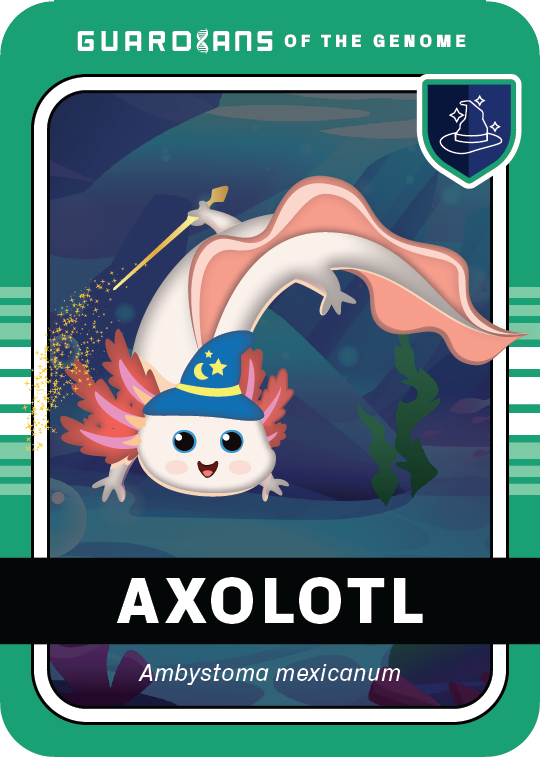
Core_Axolotl_Front@3x

Axolotl

Ambystoma Mexicanum

With the longest genome ever recorded, Axolotls are studied for their remarkable wound healing and regenerative abilities.


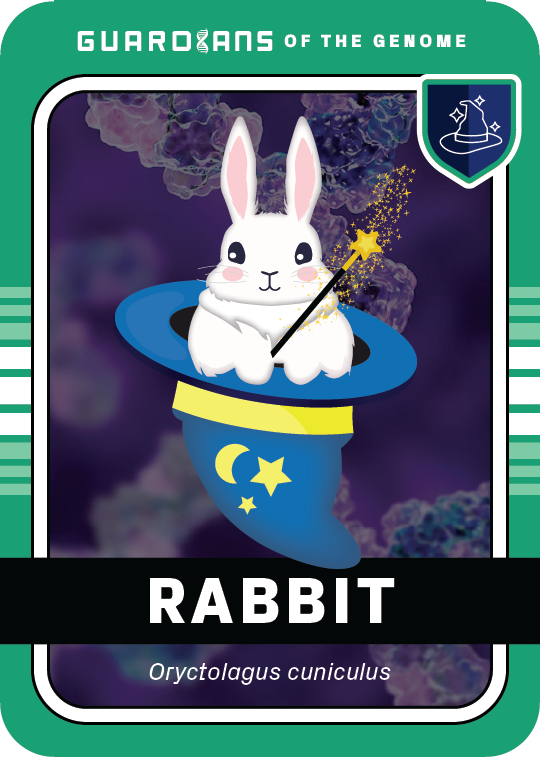
Core_Rabbit_Front@3x

Rabbit

Oryctolagus Cuniculus

A major source of monoclonal and polyclonal antibodies, rabbits are used to study disease and immune response to help inform vaccine and therapy development.


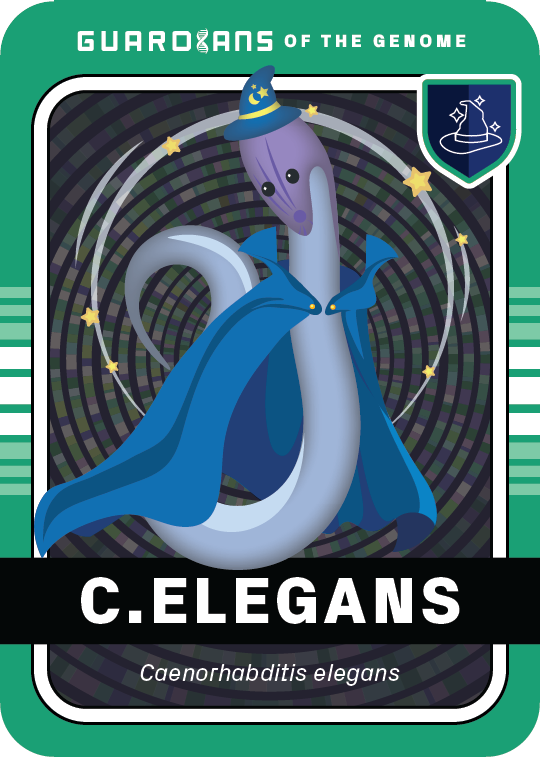
Core_CElegans_Front@3x

C. Elegans

Caenorhabditis Elegans

A small nematode, C. Elegans, was the first multicellular organism whose genome was completely sequenced. With a fixed number of 1031 cells, it is an excellent model for understanding epigenetics, development, and physiology.

 

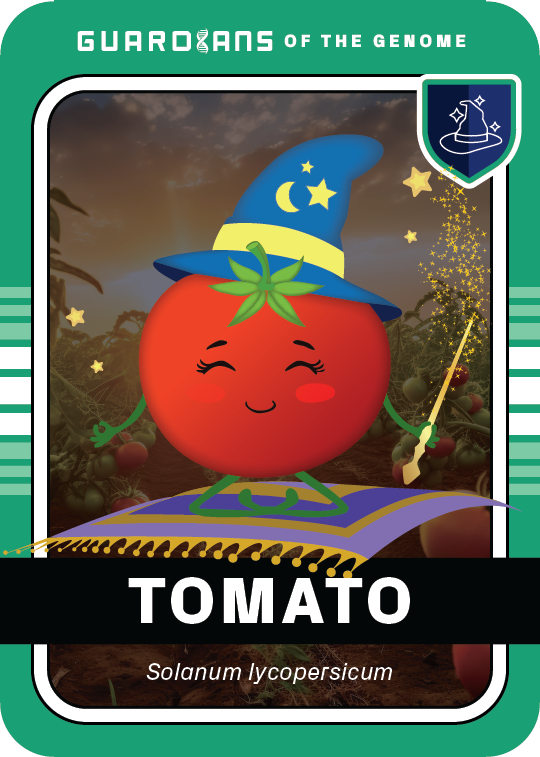
Core_Tomato_Front@3x

Tomato

Solanum Lycopersicum

In addition to improving taste and quality, gene-editing studies in tomatoes are underway to improve tolerance to adverse conditions like drought, heat, and disease resistance.


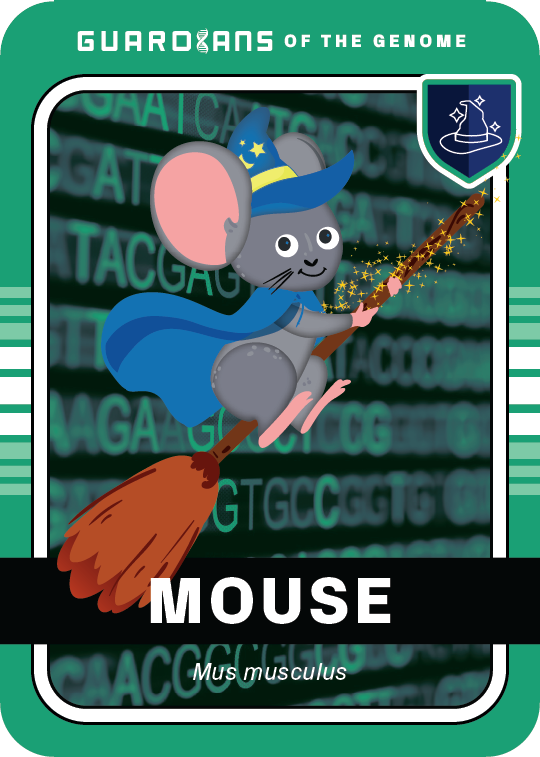
Core_Mouse_Front@3x

Mouse

Mus Musculus

The most common mammalian model organism, the mouse genome was fully sequenced in 2002. With about 85% genome homology, the pathophysiology of disease in mice is similar to that of humans.


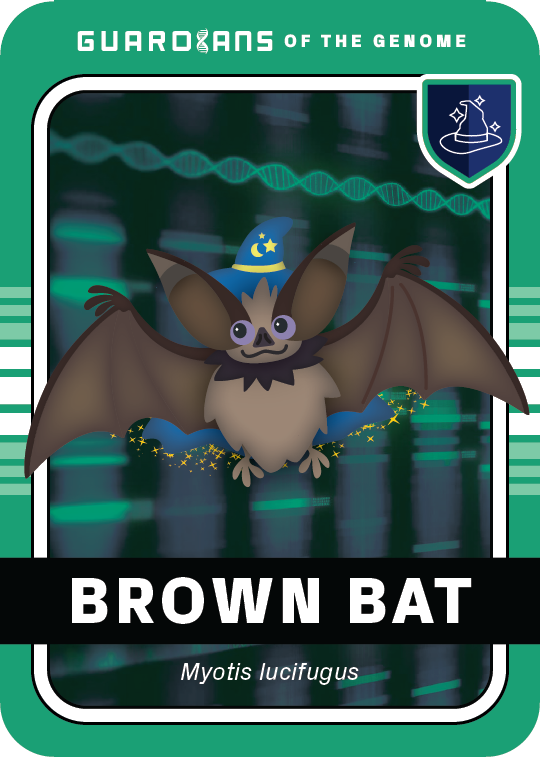
Core_Bat_Front@3x

Brown Bat

Myotis Lucifugus

With its unique echolocation abilities, the brown bat provides a powerful model system for studying auditory processing, spatial navigation, and sensorimotor integration within the brain.


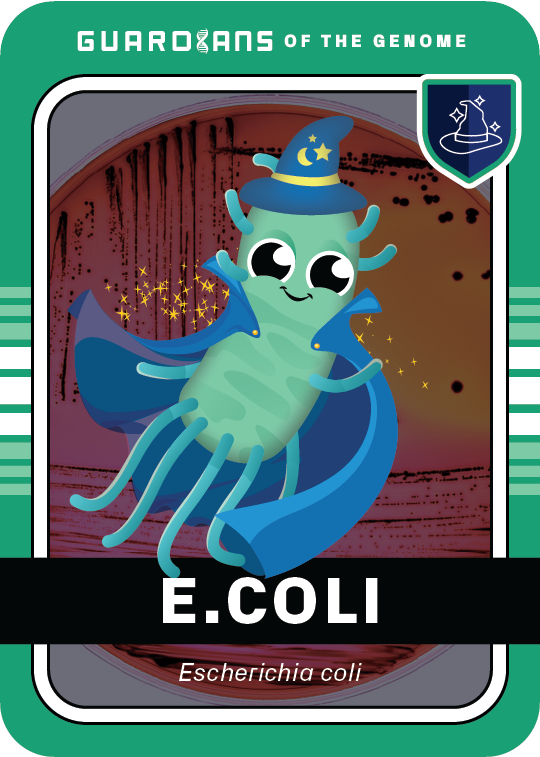
Core_Ecoli_Front @3x

E. Coli

Escherichia Coli

A common Gram-negative gut bacterium, E. Coli is a powerhouse of plasmid production widely used throughout molecular genetics.


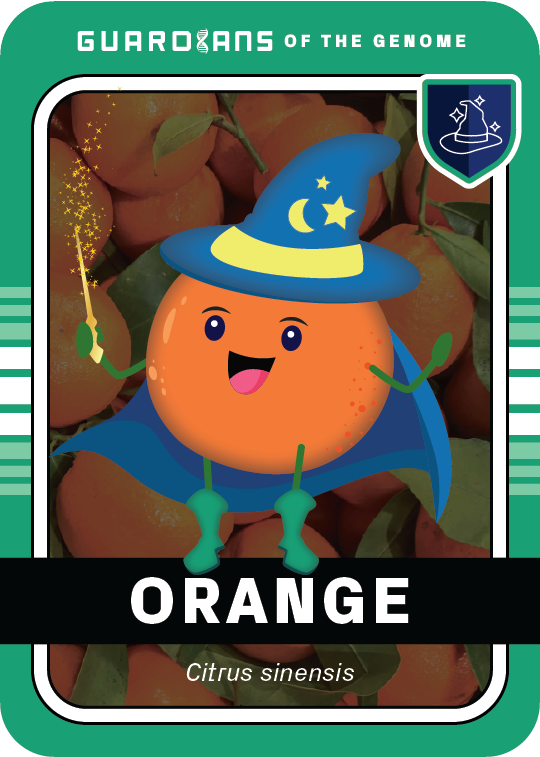
Core_Orange_Front@3x

Orange 

Citrus Sinensis

The most common citrus crop, gene-editing studies in oranges are underway to improve quality, flavor and disease resistance.


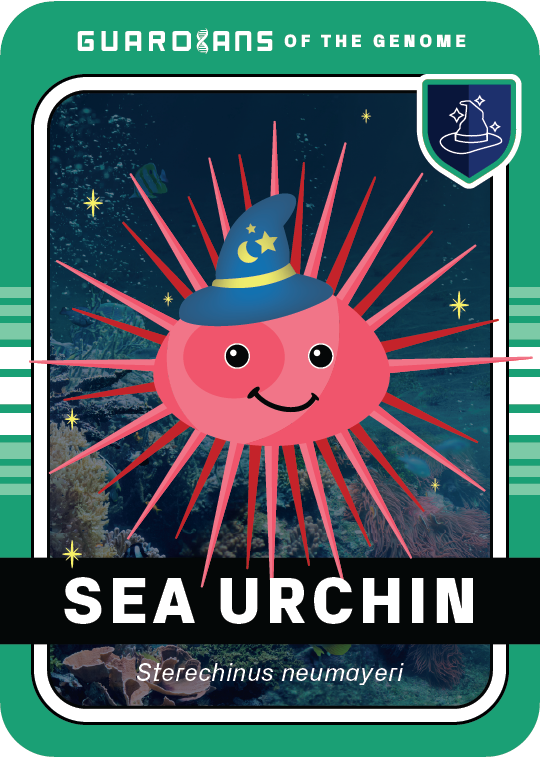
Core_SeaUrchin_Front @3x

Sea Urchin

Sterechinus Neumayeri

Widely used in developmental biology, the Antarctic sea urchin serves as a model organism for studying fundamental biological processes like fertilization, cell development, and gene regulation.


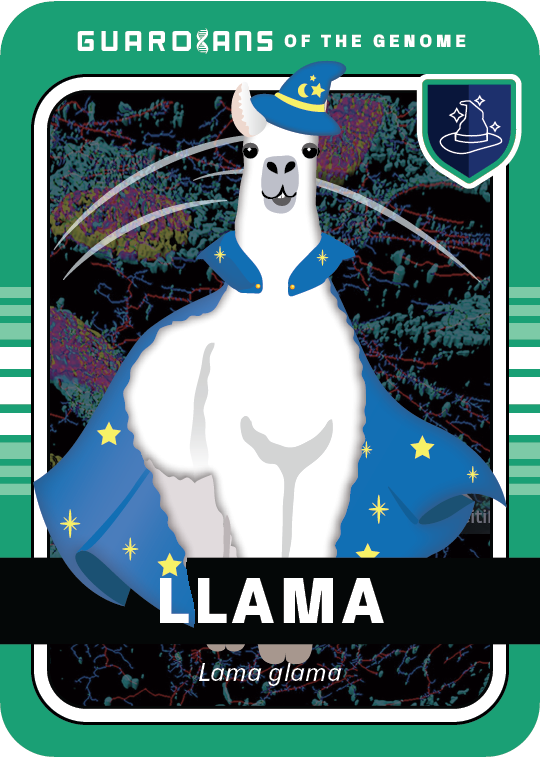
Core_Llama_Front@3x

Llama

Lama Glama

A part of the camelid group, llamas naturally produce high quantities of a small, single-chain antibody called a nanobody. Nanobodies can bind to specific targets on pathogens that larger antibodies might miss, making them potentially more effective in treatment.


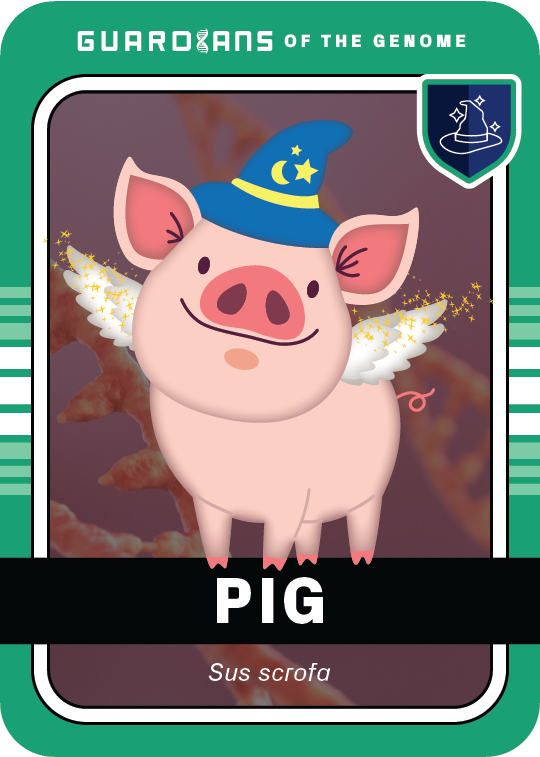
Core_Pig_Front@3x

Pig

Sus Scrofa

With a simialar organ size and immune system as humans, pigs are an ideal organism for CRISPR Cas9 gene-editing for xenotransplantation and disease research including cardiovascular disease and diabetes.


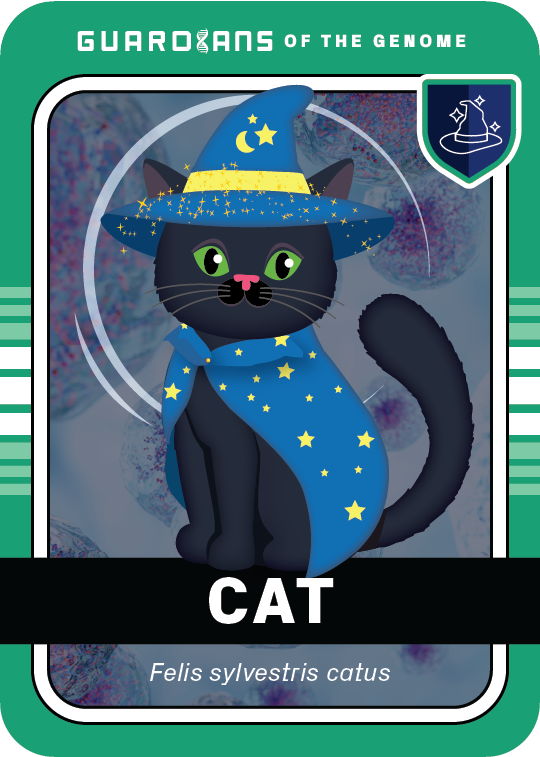
Core_Cat_Front@3x

Cat

Felis Sylvestris Catus

A beloved companion animal, cats develop naturally occurring cancers that have similar clinical signs, appearances, and biological behavior to human cancers, making them ideal models for translational oncology. 


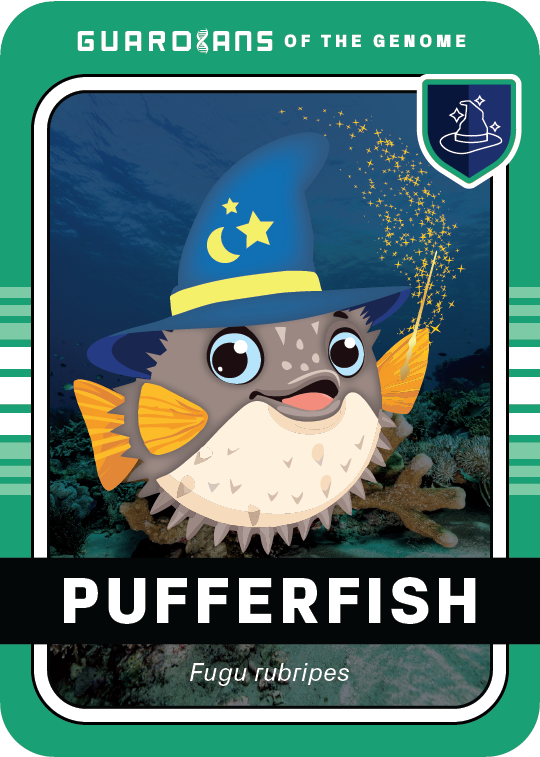
Core_Pufferfish_Front@3x

Pufferfish

Fugu Rubripes

With an extremely compact genome, Pufferfish are an ideal model for comparative genomics, allowing researchers to study vertebrate development and evolution.


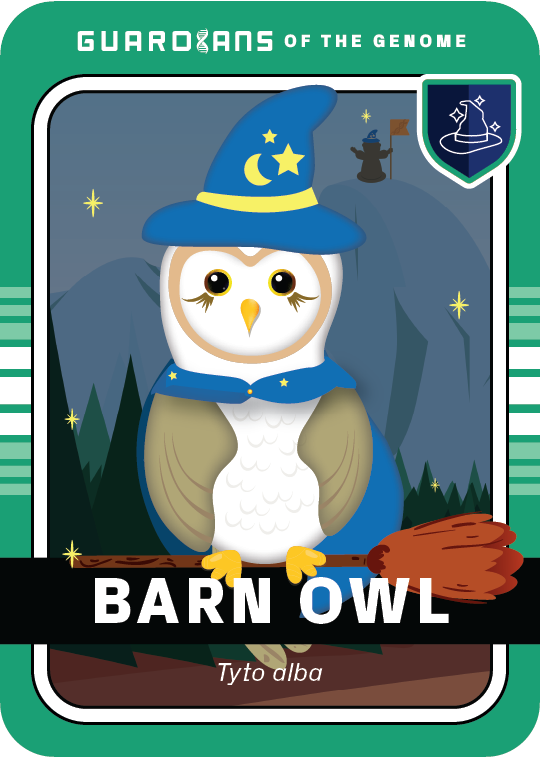
Core_BarnOwl_Front@3x

Barn Owl

Tyto Alba

Strictly nocturnal, the barn owl is an excellent model organism for the study of stereovision, or the ability to see in three dimensions, because it displays one of the highest degrees of binocular specialization. 


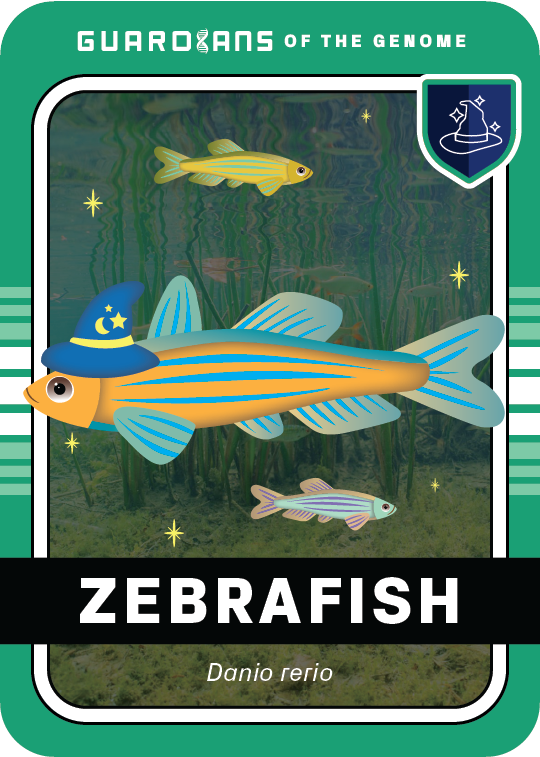
Core_Zebrafish_Front@3x

Zebrafish

Danio Rerio

A model organism that has over 70% of human genes, zebrafish have been genetically modified to create human disease research models, including amyotrophic lateral sclerosis and Cantú syndrome.


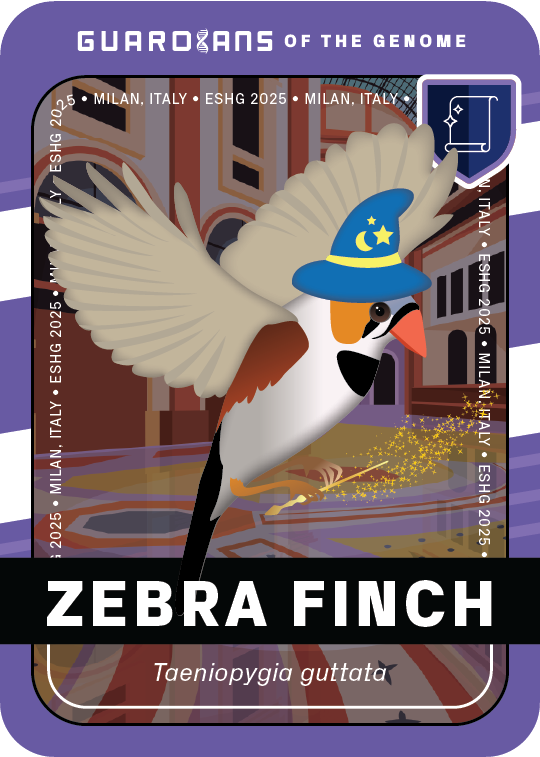
Signature_ZebraFinch_Front@3x

Zebra Finch

Taeniopygia Guttata

A small songbird indigenous to Australia and Indonesia, Zebra finches are a popular model species in research on vocal learning, neural development, and social behavior. 


Signature_AAV_Front@3x

AAV

Adeno-Associated Virus

AAV is primarily used in gene therapy because it is considered non-pathogenic to humans.


Signature_Chicken_Front@3x (1)

Chicken

Gallus Gallus

With a unique immune system that allows them to produce a diverse array of antibodies, chicken antibodies are harvested directly from the egg yolk.


Signature_RMonkey_Front@3x

Rhesus Monkey

Mucaca mulatta

With a similar anatomy, physiology, immune system and overall genome to humans, rhesus monkeys are an ideal model organsim to study human diseases and translating findings to human medicine.


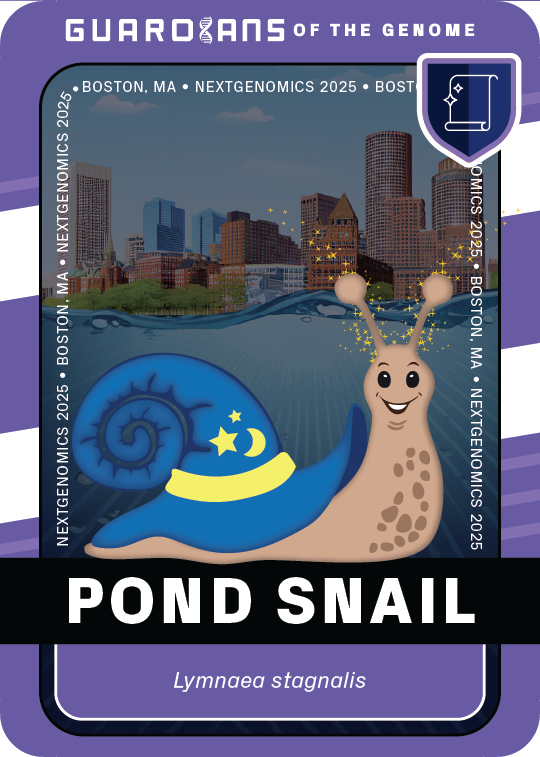
Signature_Snail_Front

Pond Snail

Lymnaea Stagnalis

Due to its relatively simple nervous system with easily identifiable neurons, the great pond snail is ideal for investigating complex neural functions at a cellular level.


Signature_Frog_Front@3x (2)

African Clawed Frog

Xenopus Laevis

With its large embryo size and high degree of conservation to the human genome, the clawed frog is an ideal model organism to study gene function during the development process.