Skip to content
10016-D_GOG-TradingCards_LP-Hero-Lrg3@3x

Guardian Trading Cards 

 
Our next generation of Guardians has started. Receive a trading card with every order of gene synthesis, oligo synthesis, plasmid DNA preparation, or Sanger-EZ.
You can also ask your sales representative for the latest cards or stop by our booth to pick one up when you attend an event!

 

TRADING CARDS


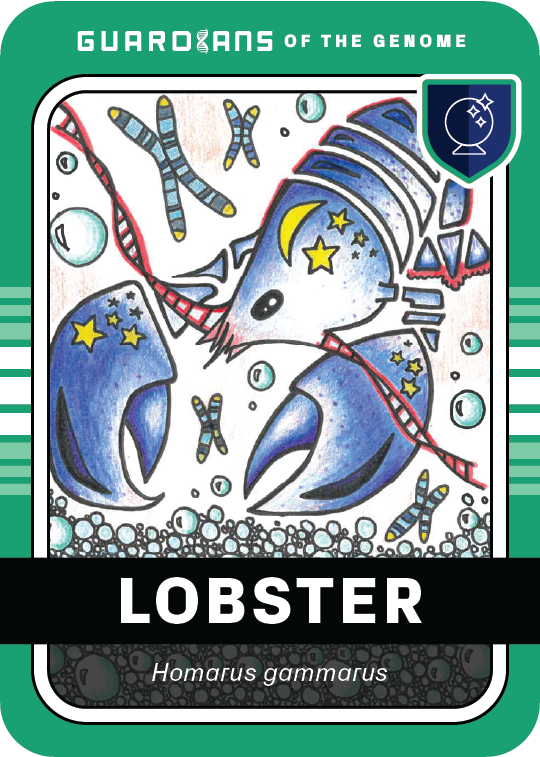
Core_Lobster_Front @3x

Lobster

Homarus Gammarus

Lobsters, a model for aging and regeneration studies, can extend their telomeres throughout life. While most are a mottled pattern of greenish brown, genetic mutations contribute to a variety of uncommon colors including rare blue lobsters.


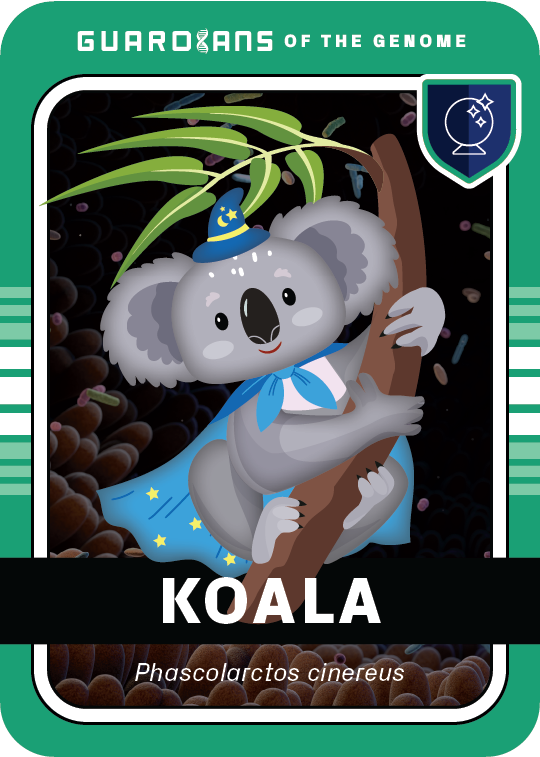
Core_Koala_Front@3x

Koala

Phascolarctos cinereus

Important for gut biology, Koalas have been studied extensively to evaluate genes involved in taste, smell and metabolism. Their ability to digest toxic eucalyptus leaves offers insight into the microbiome and detoxification.


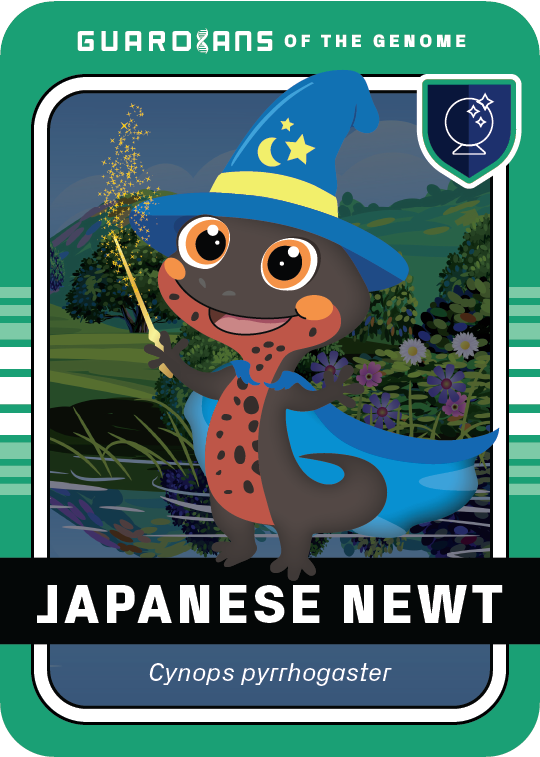
Core_Newt_Front@3x

Japanese Newt

Cynops pyrrhogaster

A native Japanese amphibian widely used in biological research and education, Japense newts are particularly integral for studies on regeneration and developmental biology.


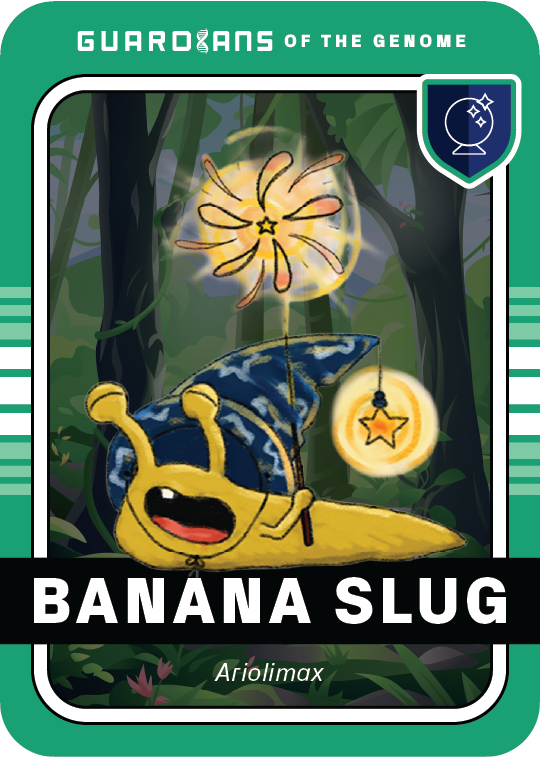
Core_Slug_Front@3x

Banana Slug

Ariolimax columbianus

As vital decomposers, banana slugs are integral to a healthy forest ecosystem. Used for locomotion,their mucus contains anesthetic compounds, a major focus of current research.


Core_Wheat_Front@3x

Wheat

Triticum aestivum

The most widely grown crop, wheat is being modified to create resistance to insects and fungal pathogens, tolerance to drought, improved nutrition, and changes in gluten content.


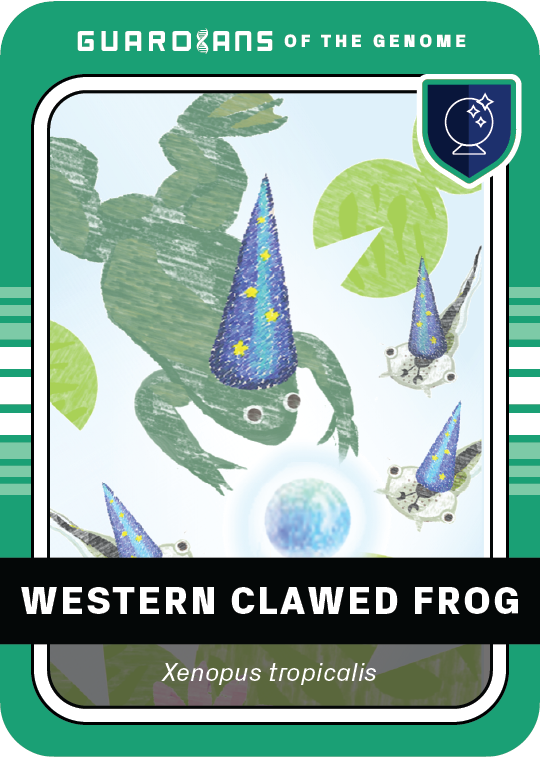
Core_Frog_Front@3x

Western Clawed Frog

Xenopus tropicalis

Unlike its well-known relative X. laevis, the western claw frog is the only diploid species in the Xenopus genus, making it ideal for genetic disease modelling using CRISPR.


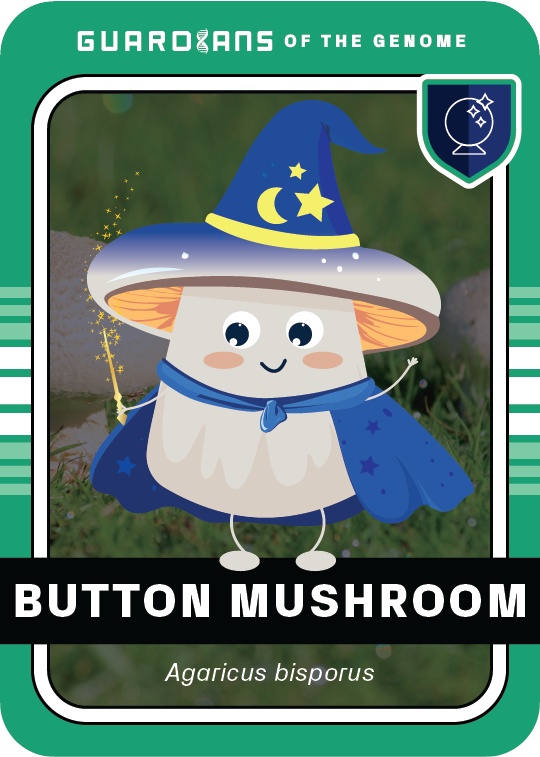
Core_Mushroom_Front@3x

Button Mushroom

Agaricus bisporus 

Known for both its edible and medicinal properties, mushrooms are widely studied. In particular, button mushrooms have been edited using CRISPR/Cas9 to prevent browning and elongate its shelf life.  

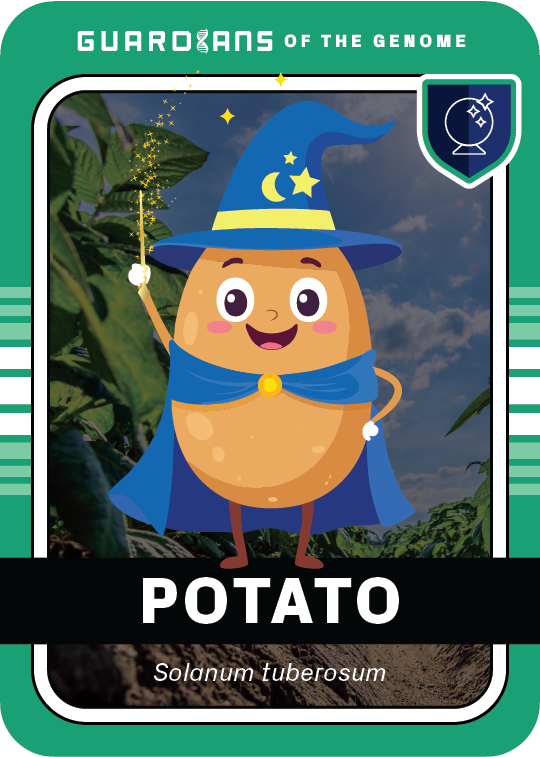
Core_Potato_Front@3x

Potato

Solanum tuberosum 

One of the largest food crops worldwide, gene-editing studies in potatoes are underway to improve quality, yield, tolerance adverse conditions like drought and heat, and disease resistance.  


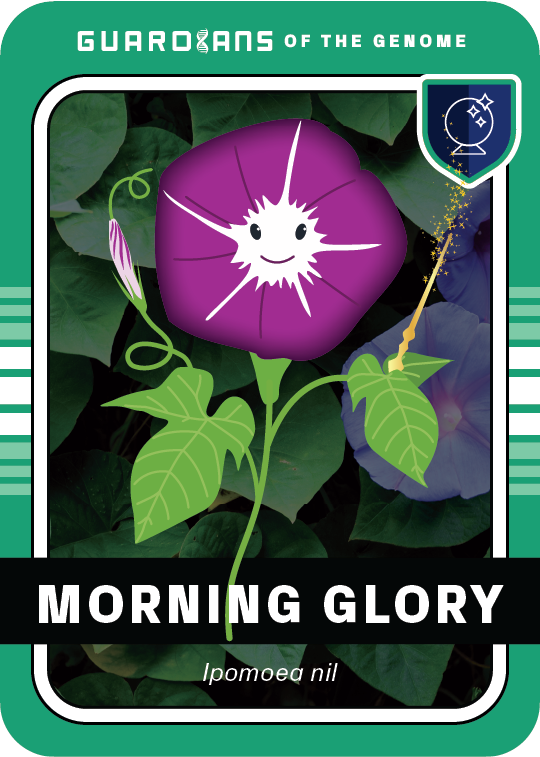
Core_MorningGlory_Front@3x

Morning Glory

Ipomoea nil 

A widely used plant model in genetics and molecular biology, morning glory are ideal for biological research due to their rapid growth and small well-annotated genome. 


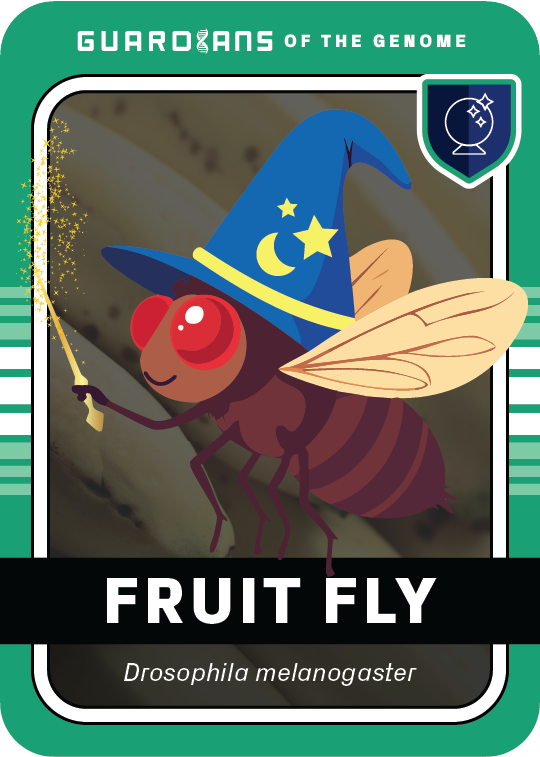
Core_FruitFly_Front@3x

Fruit Fly

Drosophila melanogaster 

Prominent in research for over 100 years, the fruit fly is ideal due to its short life cycle, simple genome and high functional overlap to disease-causing genes in humans. 

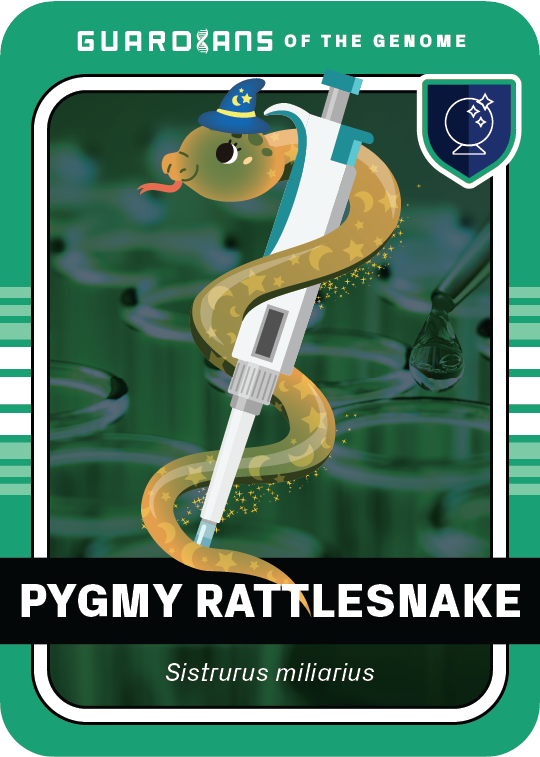
Core_Rattlesnake_Front@3x

PYGMY Rattlesnake 

Sistrurus miliarius 

Small venomous pygmy rattlesnakes are used in biomedical research: key proteins and peptides in their venom have been used to develop FDA-approved drugs used to treat hypertension, deep vein thrombosis and angina. 


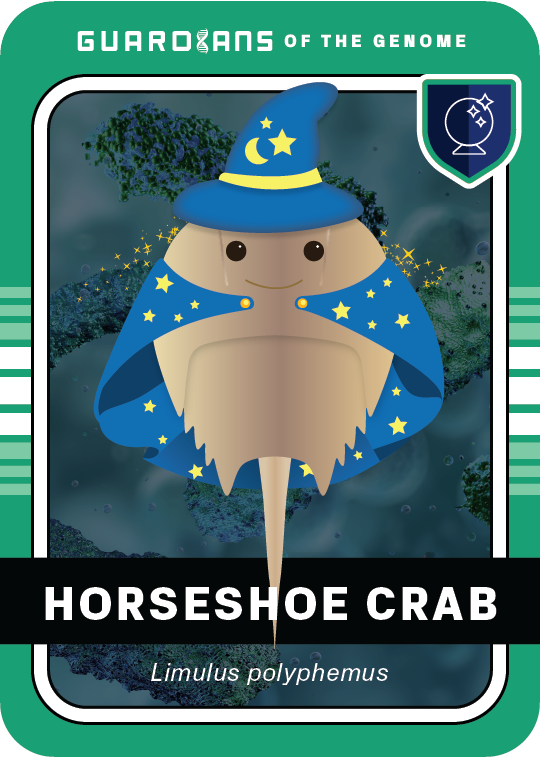
Core_HorseshoeCrab_Front@3x

Horseshoe Crab

Limulus polyphemus 

A living fossil, the horseshoe crab's unique physiology has remained structurally unchanged for over 445 million years. Their copper-based blue blood contains immune cells that can detect bacterial endotoxins. 

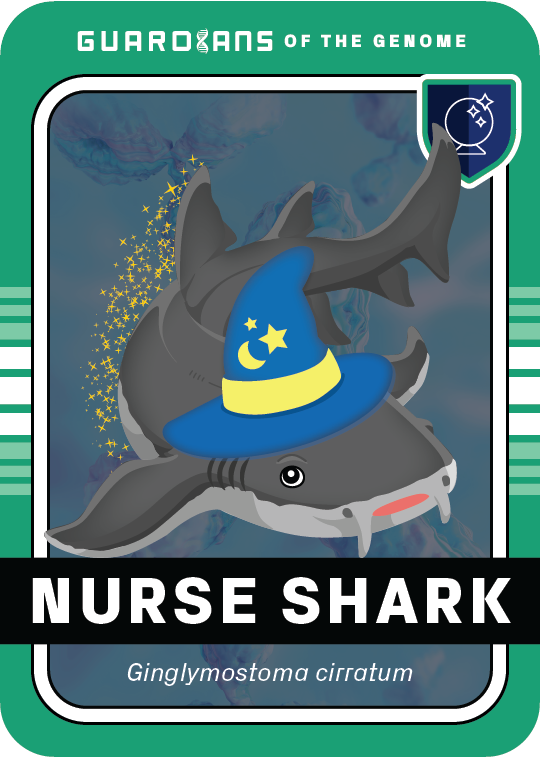
Core_NurseShark_Front@3x

Nurse Shark

Ginglymostoma cirratum  

Possessing one of the smallest shark genomes, nurse sharks are the primary non-mammalian model organism for immune system research. They produce Variable New Antigen Receptors (VNARs) that can be used as therapeutic antibody fragments.  


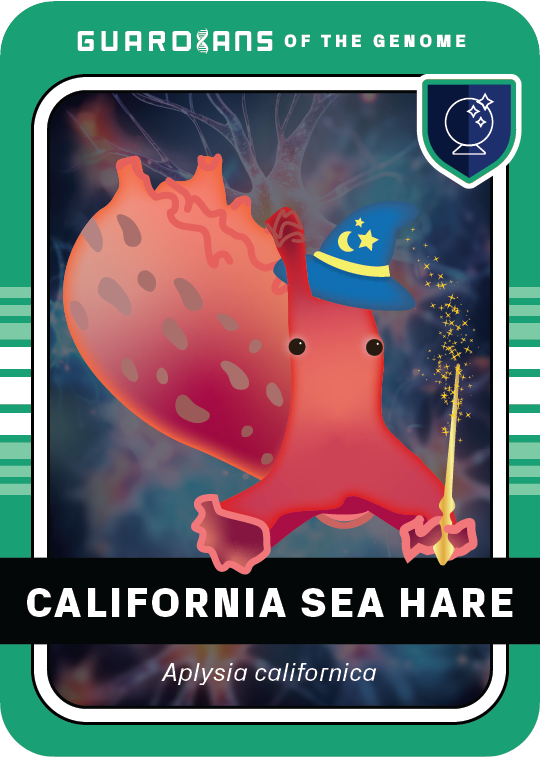
Core_SeaHare_Front@3x

California Sea Hare

Aplysia californica  

The California sea hare has a simple nervous system, comprising about 20,000 neurons up to 1 mm in diameter, making it an ideal model organism for neuroscience research.  

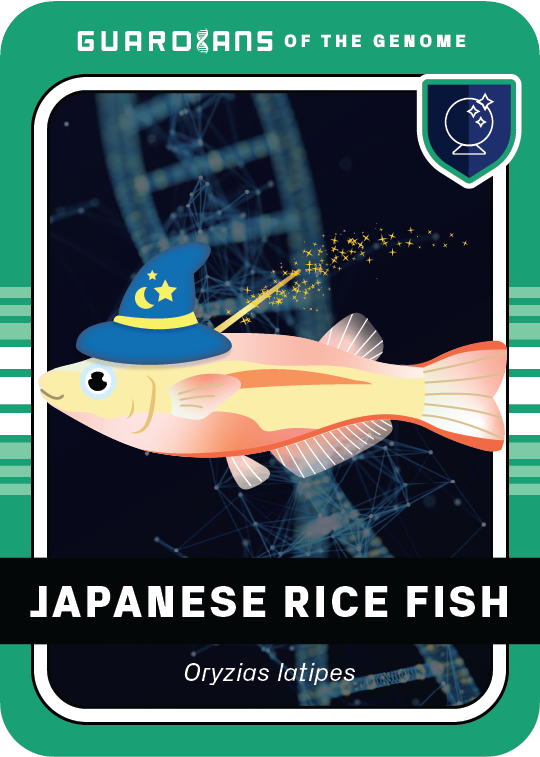
Core_RiceFish_Front@3x

Japanese Rice Fish

Oryzias latipes 

A hardy model organism with a short life cycle and transparent embryos, Japanese rice fish are ideal for genetic and developmental biology research. 


Core_Dolphin_Front@3x

Dolphin

Delphinus delphis 

With a high genetic and physiological similarity to humans, dolphins offer unique insights into complex human traits, including metabolism, aging, and brain cognition.  

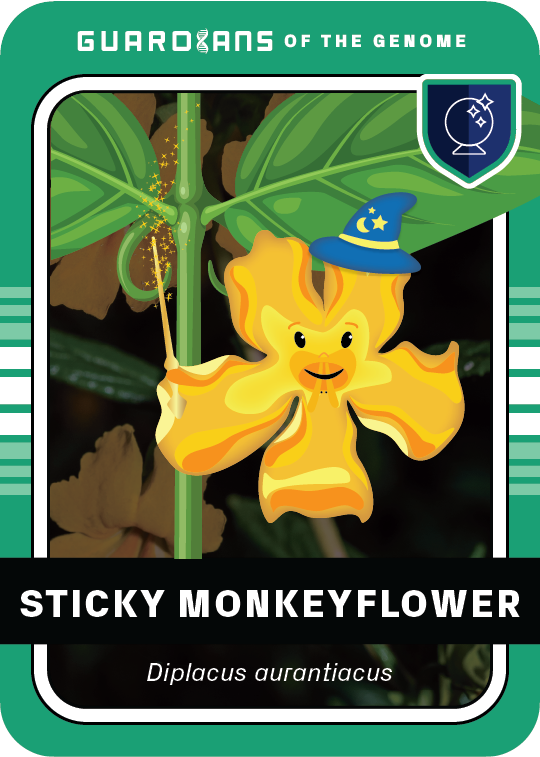
Core_Monkeyflower_Front@3x

Sticky Monkeyflower

Diplacus aurantiacus 

A plant that thrives in dry, rocky areas, the sticky monkeyflower is used in climate research, including drought and temperature impacts on flower microbes.